

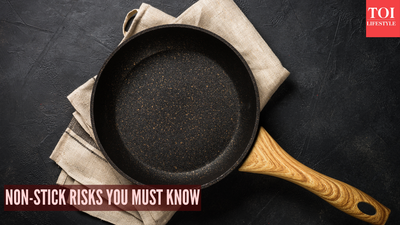
Non-stick cookware revolutionized home cooking, making meal preparation and cleaning up afterward quick, easy, and, importantly, less messy. On the surface, cooking with minimal or no oil and without food sticking to pans sounds great. Yet, behind this convenience is complicated chemistry that few people comprehend. Few realize the potential-for health risks to arise when overheating-or damaging non-stick cookware. Dr. Anshuman Kaushal, MD FACS, a highly experienced surgeon and health advocate, talks about such concerns and shares one practical advice on how to safely use a non-stick pan.
Let’s decode non-stick cookware scientifically
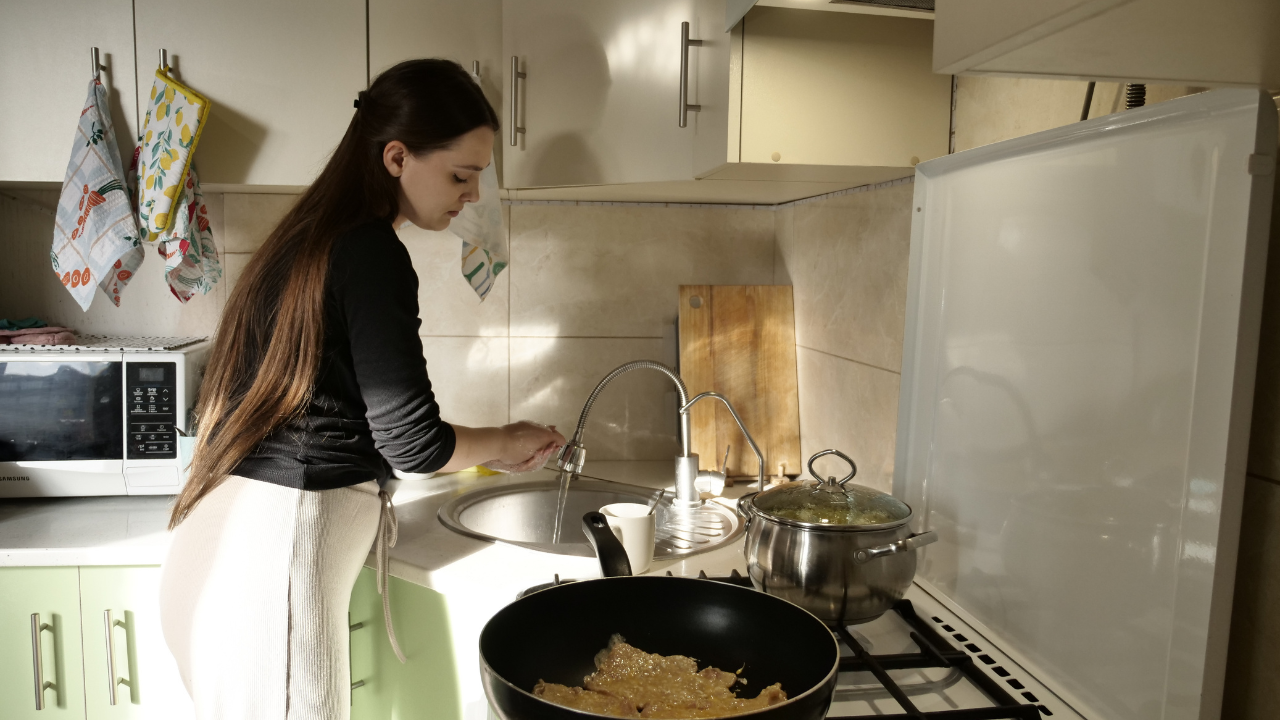
Non-stick cookware has a lining typically made of PTFE, commonly referred to as Teflon. This is a fluoropolymer material, which, by nature, has characteristics related to being hydrophobic, chemically inert, and exhibiting very low surface energy. Normally, at cooking temperatures ranging from 180 to 250 degrees Celsius, this material is stable and does not emit toxic products. This stability has been supported by several evaluations from food safety authorities such as the FDA and EFSA.Therefore, cooking with non-stick pans in these temperatures is generally quite safe. The problem starts when overheating, particularly above 400 degrees Celsius, occurs. At this high temperature, PTFE undergoes thermal decomposition, breaking down to ultrafine particles and harmful fluorinated fumes.Overheating the non-stick pan to those levels triggers the release of compounds that cause polymer fume fever in people. Symptoms include chills, fever, malaise, and a metallic taste in the mouth. These have been well documented in the literature. It is very risky to heat a non-stick pan on full flame or leave it empty on the stove for preheating, and these habits could easily raise the temperature beyond those safe for PTFE. Dr. Kaushal stresses that such mistakes must be avoided to prevent exposure to toxic fumes.
What is perfluorooctanoic acid, and what does it do?
Another major topic of concern is PFOA, or perfluorooctanoic acid. This chemical once played a significant role in the manufacturing process for non-stick cookware. Unfortunately, research has linked PFOA exposure with serious health issues such as kidney and testicular cancers, thyroid dysfunction, immune system disruption, and pregnancy complications. Due to these concerns, PFOA was globally banned in 2020, and most large brands now produce cookware labeled as PFOA-free. However, there is still a risk of contamination from cheaper, unregulated products, especially in countries where quality control may be inconsistent. Consumers seeking to minimize this risk should look toward trustworthy brands with certifications.
Scratches and damage to the no-stick surface add to the dimension of concern. If the no-stick coating flakes or peels off, for example, because of scratching, small PTFE particles can easily enter food. Although such particles do not dissolve or get chemically absorbed by the human body, according to the results of present research, scientists are as yet uncertain about the long-term outcomes of ingesting them. Dr. Kaushal suggests getting rid of any pan that shows scratches, chips, or blisters. Metal or sharp utensils should not be used with non-stick cookware at all; the use of wooden or silicone utensils could help extend the life of the coating and also ensure safety.Moreover, the belief amongst people that cooking in non-stick cookware requires no oil is misguided. Adding a little oil or fat improves the cooking performance and aids in the absorption of fat-soluble nutrients. Completely avoiding oil is not only unnecessary but would also affect the texture and flavor of the food. It is much safer to cook at a medium or low level of heat, which will allow the longevity of the non-stick coating.
What does Dr. Kaushal advise
As Dr. Kaushal points out, knowledge about the science behind non-stick cookware and respect for the limits designed for their use are key to sustaining health in the kitchen. Scientific studies also point to the problem of microplastics released from degraded non-stick coatings. The peeling of microscopic particles into food and air can be caused by heat and abrasion. However, how that impacts human health is still being studied, although it is a concern shared by many researchers worldwide.Limiting exposure requires the proper use of cookware and timely replacement. Alternative options may include ceramic-coated, stainless steel, or cast iron cookware, which could be safer for certain cooking styles. In a nutshell, non-stick cookware is convenient but requires care to avoid health risks. Practice the following: cook with low to medium heat, never preheat an empty pan, use only wooden or silicone utensils, replace damaged pans without delay, and do not purchase inexpensive unverified products. Dr. Anshuman Kaushal, with over two decades of surgical and clinical experience, reminds us that good kitchen chemistry, founded on scientific understanding, will keep us far from toxins and ensure our meals stay healthy and safe. When it comes to cooking, knowledge and care matter as much as the ingredients we use.
About the Author