The space under a bed feels private in a way that cupboards do not. It is low, dark, and mostly ignored once things slide out of sight. Many homes quietly rely on it for overflow storage, especially when wardrobes are full or shelves feel crowded. Boxes go in. Bags follow. Months pass. What started as a tidy solution often turns into a forgotten layer of dust and unease. Some items suffer down there. Others create problems you only notice later, when smells linger, or allergies flare. Organising experts often point out that the under-bed area behaves differently from the rest of the room. Air moves poorly. Dust settles quickly. Pests feel safer. Before pushing another box beneath the frame, it helps to know which items are better kept elsewhere.
Why does under-bed storage cause problems
Beds sit low and block airflow. Dust gathers there faster than on open shelves. Small insects move easily across the floor and settle where there is paper, fabric, or food. Items stored under beds are also checked less often, which means damage goes unnoticed for a long time. The space encourages forgetting.
Storing these 7 things under your bed could be attracting dust and pests
Paper and cardboard
Paper attracts insects. Cardboard does too. Old letters, books, photos, and shoe boxes can slowly be eaten or stained without warning. Even clean paper breaks down faster in damp or dusty places. If it matters to you, it should be stored higher, drier, and sealed properly.
Don’t store blankets and spare bedding there
Loose textiles act like dust magnets. Blankets and pillows pull in particles that you do not see until they are shaken out. This can worsen allergies and breathing issues over time. Unless bedding is sealed in a proper container, it is better kept in a cupboard or chest where air circulates.
Leather dries out under the bed
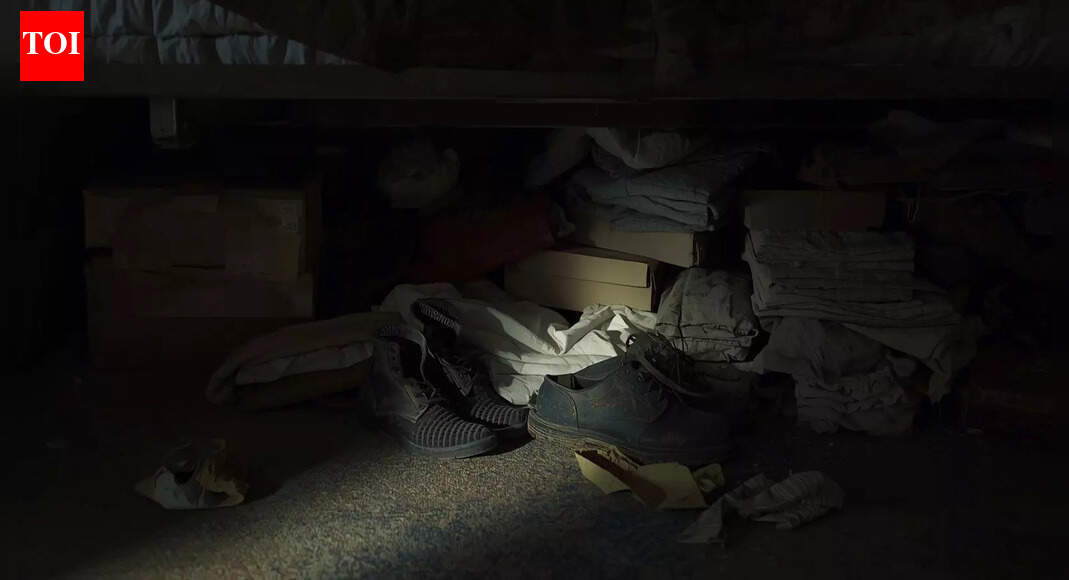
Leather dries out when surrounded by dust. Shoes and bags stored under beds often crack or fade without obvious cause. The environment is harsher than it looks. If leather must go there, it needs protection inside a solid container, not fabric bags or open boxes.
Heavy items like a large suitcase
Lifting items from under a bed puts strain on your back and shoulders. Large suitcases, spare mattresses, or bulky equipment can scrape floors or twist awkwardly during removal. Damage to both the item and your body becomes more likely. Storage should not require force.
Never store under the bed
Food attracts pests, even when sealed in cardboard. Mice and insects chew through boxes easily. Crumbs and smells linger. Once pests associate the bed area with food, they often return. Bedrooms are not designed to hold anything edible.
Electronics get damaged under beds
Dust builds up inside electronics and interferes with moving parts and vents. Devices with batteries carry additional risk when stored in warm, dusty spaces. Under bed storage increases the chance of malfunction, especially when devices are forgotten for long periods.
Emotional items affect sleep
Some organisers suggest avoiding items tied to regret or pressure. Old reminders, unused clothes, or things linked to past relationships can quietly affect how a room feels. Sleeping above unresolved clutter may not cause harm, but it rarely brings comfort.
It is better to store nothing at all
Under bed areas fill quickly and are rarely reviewed. If storage is necessary, clear airtight containers with wheels help reduce dust and make access easier. Otherwise, an empty space is often calmer than a hidden pile.
About the Author