Now we come to the part nobody likes, but everyone should know.
Though rare, infections can happen after hair transplants. Especially if hygiene is poor, post-op instructions are ignored, or the clinic’s sterilisation standards are questionable.
Signs include increasing pain, pus, fever, foul smell, or redness that keeps spreading. If treated early, antibiotics usually fix it. If ignored, it can damage grafts permanently.
Scarring is another concern.
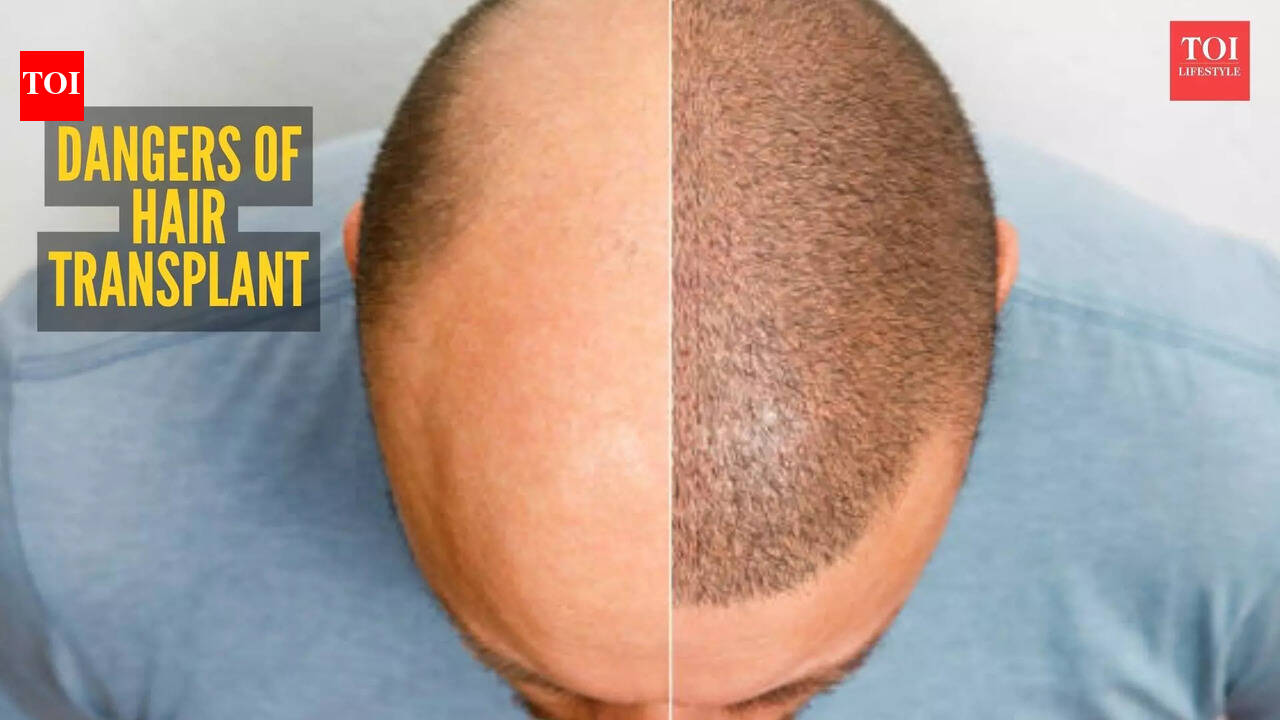
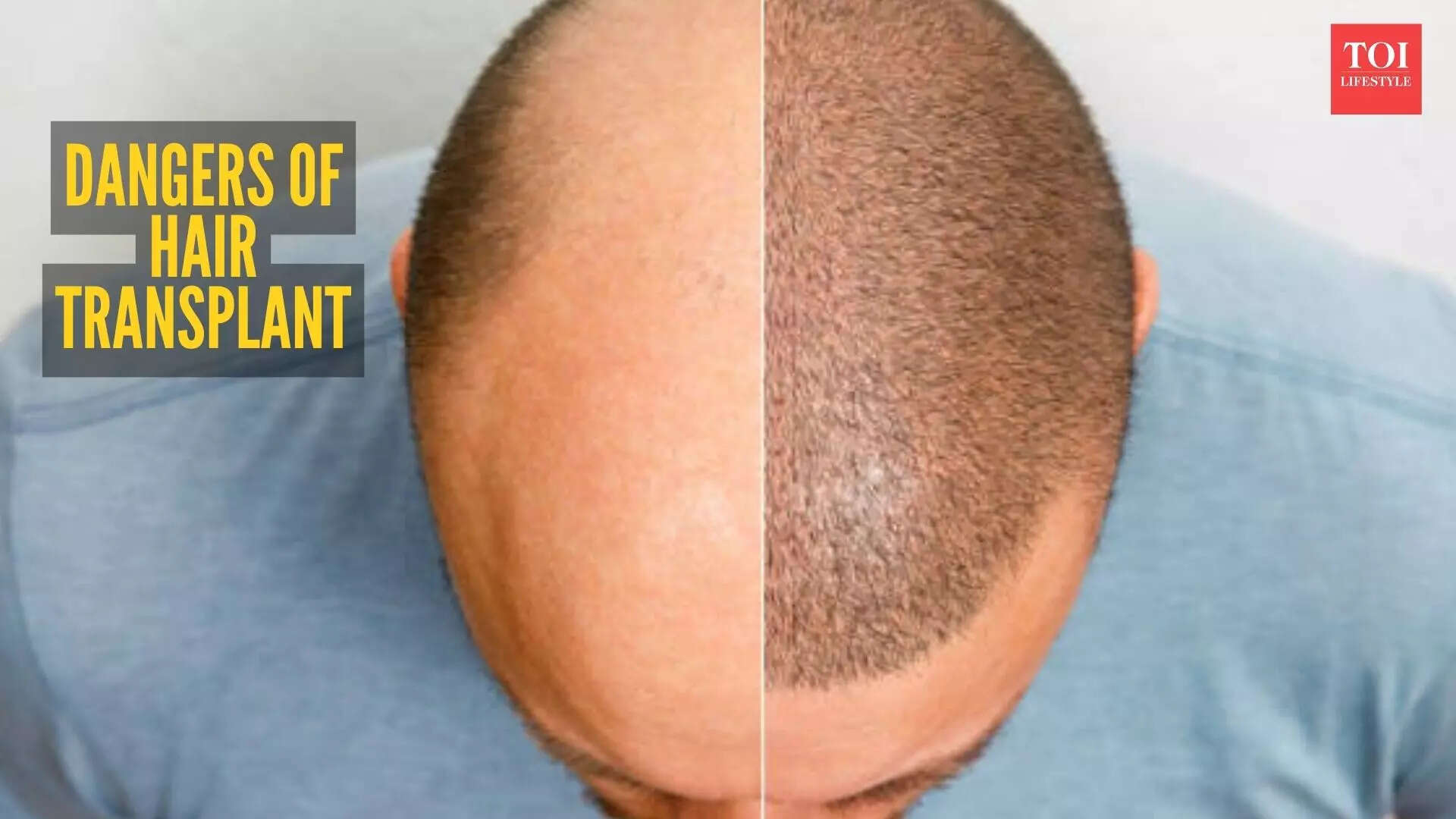
With older FUT techniques, a visible linear scar at the back of the head was common. Modern FUE leaves tiny dot scars, usually hidden by hair. But in some people, especially those prone to keloids, scars can become raised or noticeable.
Then there’s the fear most patients secretly carry – what if the result looks unnatural?
Uneven density, badly designed hairlines, wrong angle of hair growth, or patchy areas can happen if the surgeon lacks experience. In India, where many clinics run on aggressive marketing rather than medical expertise, this risk is very real.
Fixing a bad transplant is harder, costlier and emotionally draining.
So yes, while side effects are usually mild, the choice of clinic and doctor matters more than anything else.
A quick word on long-term effects
Many people think a transplant is a one-time fix. Not always.
Your transplanted hair is permanent. But your original hair can continue to thin with age. Without medicines like minoxidil or finasteride (as advised), you may lose surrounding hair and end up with strange patterns.
That’s why good doctors talk about long-term planning, not just today’s hairline.
About the Author