
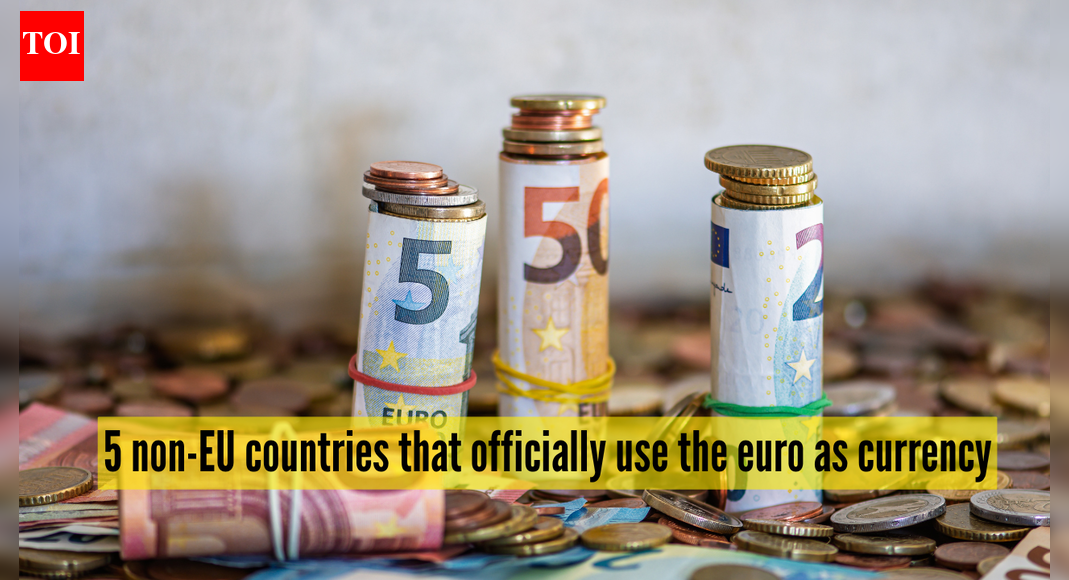
The euro represents much more than just the common currency of the European Union. Given that the euro has, in total value of circulating banknotes and coins, the largest combined value of cash of any single currency (having surpassed the United States dollar) and the largest number of coins valued at one euro or more being foreign within the EU, it has been taken up extensively outside the EU. It is issued by the European Central Bank and exists in popular denominations of banknotes: €5, €10, €20, €50 and €100; however, the denominations of €200 and €500 are used far less than the others. Euro coins are produced in denominations of 1 cent, 2 euro.
All 20 EU member states that have adopted the euro as their currency form one part of the European Union; non-EU countries such as Kosovo and Montenegro have also since adopted it. Some do this through mutual deals with the European Union, while others have made a unilateral move. Here is a list of five such countries that use the euro, despite not being members of the European Union. Data sourced from World Population Review.
About the Author