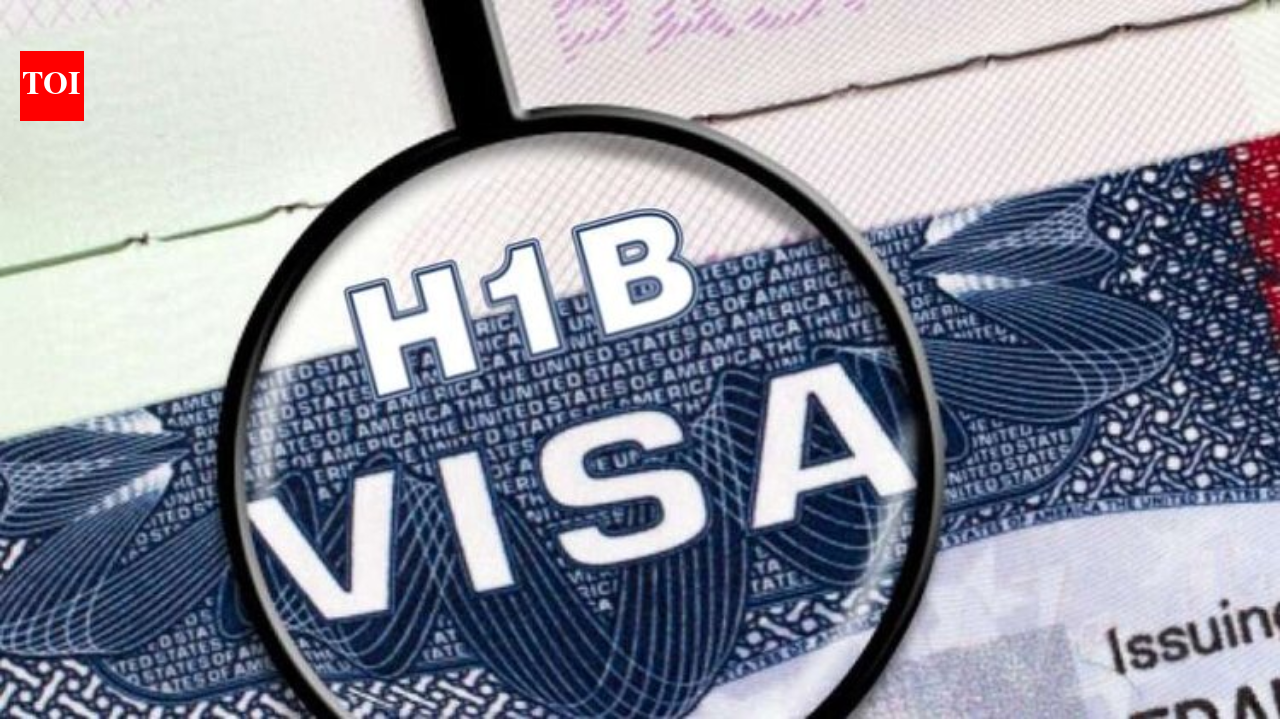
A growing number of Indian tech professionals are returning home as uncertainty over the US H-1B visa program increases. LinkedIn data shows a 40 per cent increase in tech workers changing their location to India in the third quarter of 2025, according to Bloomberg. This signals a huge potential for reverse migration from US.The H-1B program is seen as a gateway for highly skilled Indian professionals. Indian nationals receive nearly three-quarters of the 65,000 visas issued each year, and a similar proportion of the 20,000-visa pool for advanced degree holders. Yet recent policy changes, including an increase in visa fees to $100,000 under the Trump administration and tighter restrictions on early-career applicants, have made the programme less attractive for both employers and candidates.Many young professionals are now considering opportunities in India.
- Arnav Mehta earned an MBA from Stanford University and returned to India in September to launch Navarc, a quant fund. He said: “International students face more scrutiny, get fewer job offers and have limited career flexibility. Unless you’re a BlackRock or Facebook, it’s much harder to hire H-1Bs.”
- Sruiram Varun Vobilisetty of Stanford and Kanika Rajput of MIT Sloan are confused whether to remain in US or establish ventures with teams operating out of India while waiting for immigration approvals.
- Tony Klor, a US-trained entrepreneur now based in Bengaluru said: “There’s a depth of developer talent and an openness to innovation here. India is a sleeping giant. The word is getting out.”
Some US companies are also adapting. Corporations that once hired Indian engineers in US are now establishing in-house tech centres in India. Vikram Ahuja, co-founder of ANSR Inc. in Dallas, reports a 35 per cent surge in applications from H-1B holders in US. His company has set up 38 such centres in India in the past year, focusing on artificial intelligence (AI) roles.
About the Author