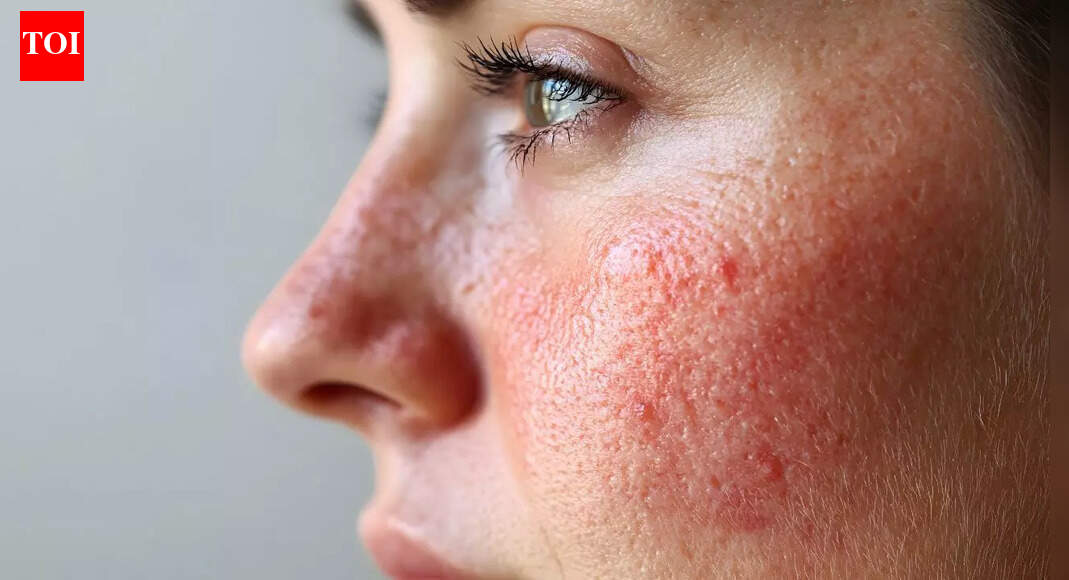
Acne never appears out of nowhere. Something sets it off, and most of the time the clues are sitting quietly inside your house without you realising it. You go about your routine every single day, touching that one object, changing your products, trying a new hairstyle because it looks cute, and suddenly there is a fresh breakout sitting on your chin or forehead like it planned its arrival. It feels random and unfair, almost like your skin is acting against you for no reason. The truth is that acne loves routine just as much as we do. It waits for tiny habits to repeat again and again. Once you start noticing these little patterns, breakouts make a lot more sense and feel less mysterious.
Hidden acne triggers at home that quietly damages your skin
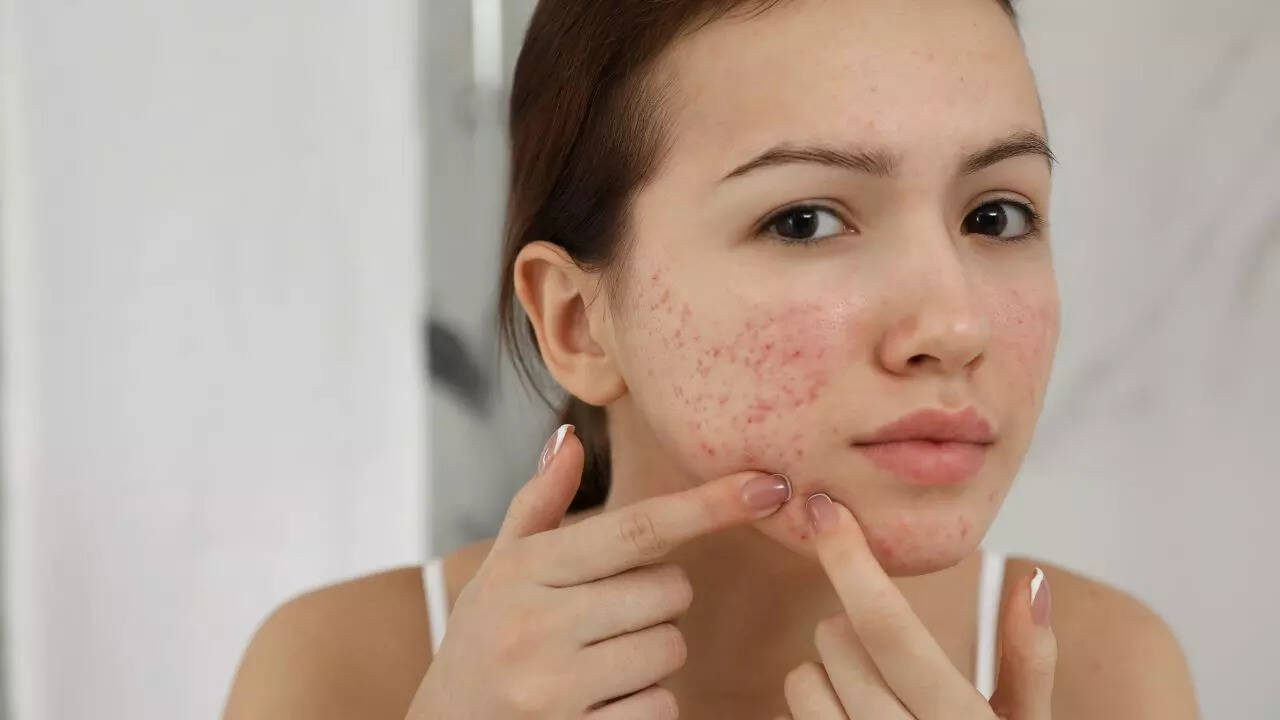
The things that lead to acne are often tiny and boring and feel like nothing at the time. A towel you did not wash, hair you forgot to tie back, a lazy night routine where you skipped moisturiser yet again. Acne does not always come from big dramatic reasons. It builds slowly, quietly, in everyday spaces. Here are the small home habits that nudge acne forward without warning.
Acne trigger 1: Dirty pillowcases that collect oil and sweat
You lie down every night and your skin presses against fabric soaked with leftover makeup, sweat and hair oil. If you never wash pillowcases regularly, those oils block pores and lead to acne flare ups without warning.
Acne trigger 2: Towels shared with other people
Sharing towels spreads bacteria across faces. That extra bacteria mixes with sebum and clogs pores which can quietly worsen acne, especially around the cheeks.
Acne trigger 3: Hair conditioners that touch your forehead
Thick conditioners contain heavy ingredients that leave residue around the hairline and forehead. That sticky film can create acne patches at the top of your face where products are not fully rinsed off. This one shocks people the most because they rarely connect hair care to breakouts.
Acne trigger 4: Sleeping with wet hair
Wet hair rubs against your skin all night and transfers product and moisture. This can create a warm, damp surface that encourages clogged pores and acne spots near the temples.
Acne trigger 5: Phone screens pressing against your cheek
Your phone touches your face more times than you realise. Screens collect dirt, oils and germs and pressing them against your cheek encourages acne to form on the lower face.
Acne trigger 6: Touching your face constantly without noticing
Sometimes you sit and rest your chin on your hand while scrolling. Your fingers hold oils and bacteria that can worsen acne around the jawline and mouth.
Acne trigger 7: Scented laundry detergents irritate the skin
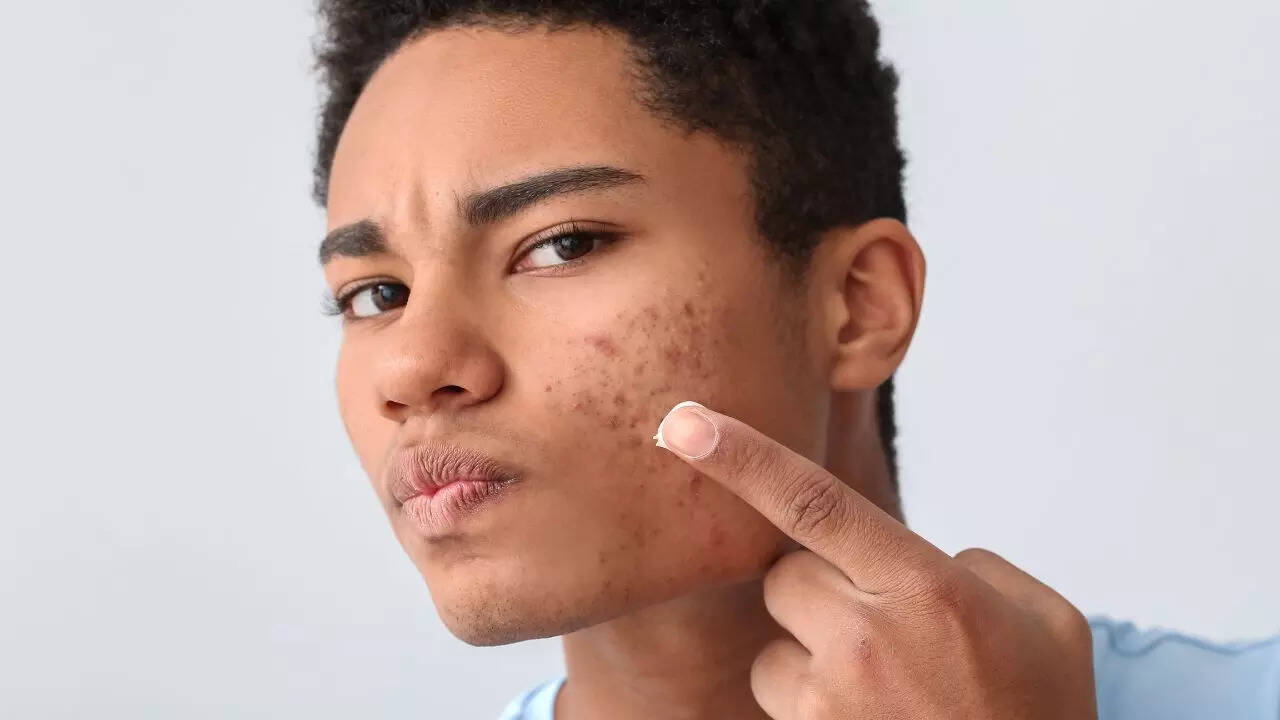
Fragrances left on clothes and pillowcases can irritate sensitive skin. This irritation can inflame pores and invite acne where fabric touches the face.
Acne trigger 8: Skipping moisturiser because skin feels oily
People with acne often avoid moisturiser. Skin becomes dry and responds by producing even more sebum, which can deepen acne problems over time.
Acne trigger 9: Leftover makeup hiding in makeup brushes
Brushes collect foundation, oil and dust. Using them without washing can drag bacteria across your face and lead to acne breakouts along the cheeks and nose.
Acne trigger 10: Pressing your face against your sofa or cushion
You relax for hours without thinking about the material touching your skin. Sofas and cushions rarely get washed and become acne traps for the lower face.
Acne trigger 11: Long fringes or loose strands covering the skin
Hair naturally carries oils. When fringes cover your forehead throughout the day, those oils are pushed into pores and cause acne bumps underneath.
Acne trigger 12: Over-exfoliating and scrubbing too much
You think scrubbing harder helps remove acne. Instead, the skin becomes irritated, which triggers more inflammation and clogged pores.
Acne trigger 13: Scented candles and room sprays that settle on skin
Fine particles float in the air and land on your skin. If your pores are already irritated, these particles can add another layer of trouble and provoke acne around sensitive areas.Disclaimer: This content is intended purely for informational use and is not a substitute for professional medical, nutritional or scientific advice. Always seek support from certified professionals for personalised recommendations.Also read| 5 ways to keep your nails neat and clean at home (most people skip number 3)
About the Author